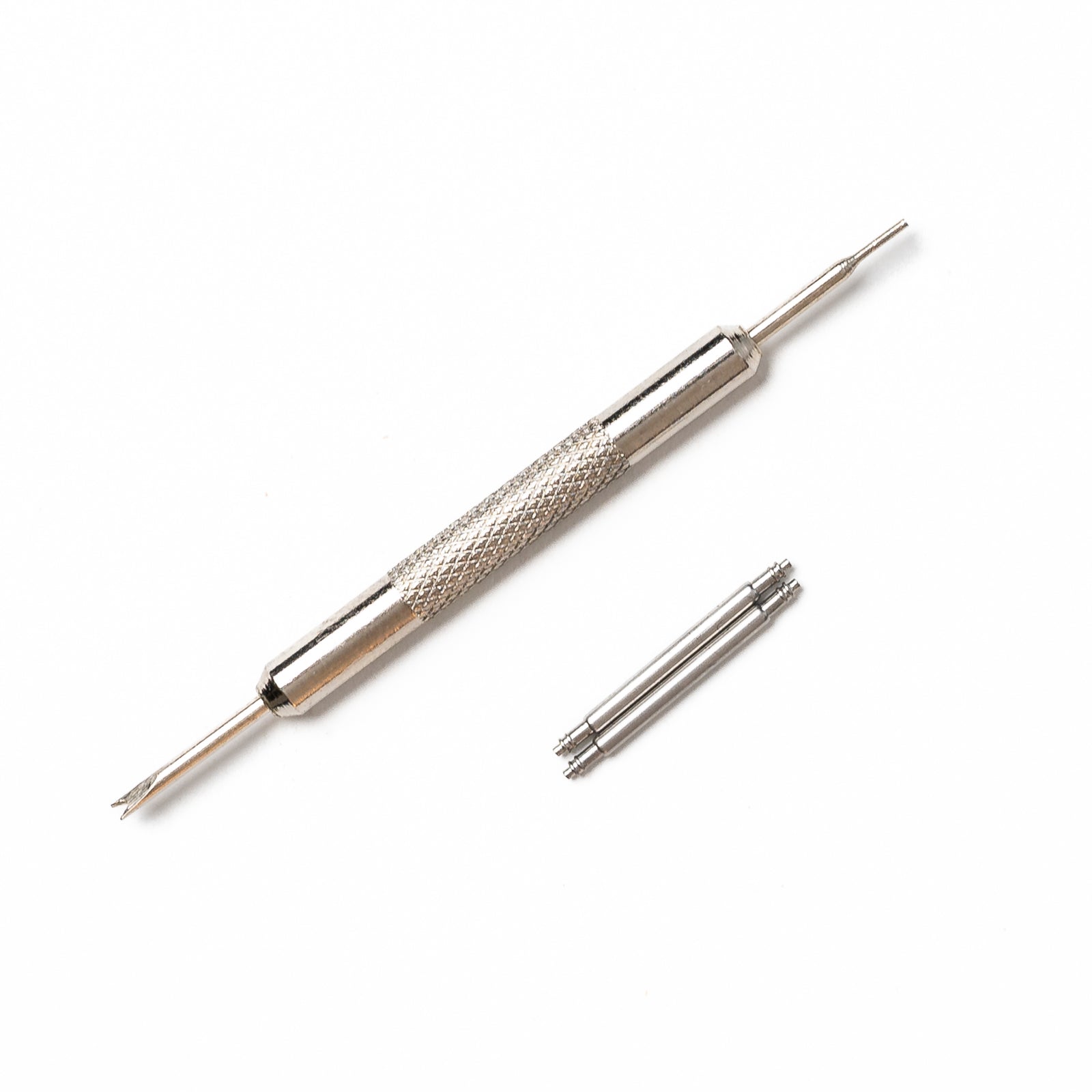
Watch owners understand that even the smallest components play a monumental role in the functionality and aesthetic appeal of their beloved timepieces. Among these unsung heroes are watch pins – those tiny, yet mighty, connectors that secure your watch band to its case. When a pin becomes loose, bent, or breaks entirely, it’s not just an inconvenience; it can render your watch unwearable and, in the worst-case scenario, lead to loss or damage. Fortunately, replacing watch pins is a common DIY repair that can save you a trip to a professional and keep your watch ticking securely on your wrist. This comprehensive guide will delve into everything you need to know about selecting, understanding, and installing the right replacement watch pins, ensuring your timepiece remains a reliable companion.
Understanding the Vital Role of Watch Pins
At its core, a replacement watch pin is a small, typically metallic, component designed to bridge the gap between your watch's lugs and your watch band. While seemingly insignificant, these pins bear the brunt of daily wear and tear, holding the band firmly in place during every movement, tug, and bump. A secure set of watch pins is paramount not only for preventing your watch from falling off but also for maintaining its overall look and feel. A wobbly band or a pin peeking out can detract from even the most exquisite timepiece.
The need for replacement watch pins often arises from everyday scenarios: an accidental snag, exposure to moisture causing corrosion, or simply the natural wear and aging of the material. Many users search for solutions when they notice their band feeling less secure, or after attempting to change a strap and misplacing a pin. The motivation for DIY replacement is clear: it’s a cost-effective, practical solution that empowers watch enthusiasts to take charge of their own repairs and upgrades, avoiding professional service fees that can sometimes outweigh the cost of the pins themselves.
Choosing the Right Replacement Watch Pins: A Guide to Types and Materials
The world of watch pins might seem straightforward, but a little knowledge goes a long way in ensuring a perfect fit and long-lasting security. Understanding the different types and what to look for is the first step in successful DIY watch repair.
Identifying the Common Types of Watch Pins
While various mechanisms exist to attach a band, the majority of watches you'll encounter use one of these primary types of watch pins:
- Spring Bars (Spring-Loaded Pins): These are by far the most common type of watch pin for attaching bands. A spring bar consists of a small tube with a spring-loaded mechanism inside, capped with two flanges or tips that compress and retract, allowing the bar to be inserted or removed from the lug holes of the watch case. They are incredibly versatile and relatively easy to work with, making them ideal for DIY band changes and replacements. They come in different end styles too, like double-flange, single-flange, and even shoulderless for through-hole lugs.
- Friction Pins (Straight Pins): Less common for bands but sometimes found on bracelet links or older watch designs, friction pins are solid metal rods that are press-fitted into place. They rely on the snugness of their fit to stay secure and typically require a pin punch and hammer for removal and insertion.
- Screw Pins: Found on higher-end watches and robust dive watches, screw pins are threaded rods that are secured with tiny screws on one or both ends. They offer exceptional security but require small screwdrivers for installation and removal, making them a more involved replacement process.
- Cotter Pins: Similar to friction pins, cotter pins are solid rods but feature a split end that creates tension within the lug hole to hold them in place. These also require specialized tools to push them out.
For most replacement scenarios involving a watch band that attaches to the watch case, you will almost certainly be dealing with spring-loaded pins.
Crucial Considerations for Selection
Once you've identified the general type, precision is key. Here’s what to look for when selecting your replacement watch pins:
- Accurate Measurement: Length and Diameter: This is arguably the most critical step. The length of the pin must match the lug width of your watch case – that’s the distance between the two lugs where the band attaches. Use a ruler or, ideally, a digital caliper to measure the gap precisely. Spring bars are designed to be slightly longer than the lug width when fully extended, as their tips compress to fit. The diameter of the pin is also crucial; common diameters range from 1.5mm to 1.8mm, but some heavy-duty or vintage watches might use 2.0mm or even 2.5mm pins. An improperly sized diameter can lead to a loose fit or inability to install.
- Material Matters: Durability and Aesthetics: Most watch pins are made from stainless steel, which offers good strength, corrosion resistance, and is generally hypoallergenic. For budget options, brass or other plated metals might be used, but these can be prone to corrosion or bending over time. Higher-grade stainless steel (like 316L) is often preferred for its superior durability and resistance to rust. For extreme conditions or very sensitive skin, titanium pins might be an option, offering excellent strength-to-weight ratio and superb hypoallergenic properties, though they are usually more expensive.
- Quick-Release vs. Standard Designs: A modern convenience, quick-release spring bars feature a small lever or slider that allows for tool-free installation and removal of your watch band. If your current watch band has quick-release pins and you love the convenience, ensure your replacement pins offer the same feature. Otherwise, standard spring bars will require a dedicated spring bar tool for manipulation.
Your Step-by-Step Guide to Replacing Watch Pins at Home
Replacing watch pins doesn't require advanced horological skills, but it does demand a steady hand and the right tools. Here’s a streamlined approach:
- Gather Your Tools: You'll need a spring bar tool (if using standard spring bars), a magnifying glass (optional but helpful), a soft cloth to protect your watch, and of course, your new replacement watch pins.
- Prepare Your Workspace: Lay your watch face down on a clean, soft cloth to prevent scratches. Ensure good lighting.
- Remove the Old Pin: If a pin is broken, this might be easy. If it's still in place, use your spring bar tool. The fork end of the tool is designed to compress the flange of the spring bar. Gently push the fork between the watch lug and the watch band, locate the flange, and push down to compress the spring. Once compressed, the pin will release from the lug hole. Repeat on the other side if necessary.
- Clean and Inspect: Take this opportunity to clean any debris, dirt, or old lubricant from the lug holes and the inside of the watch band where the pin rests. Inspect the lug holes for any damage.
- Insert the New Pin: Carefully insert one end of the new spring bar into one of the lug holes on the watch case. Position the watch band between the lugs. Using the spring bar tool (or your finger for quick-release pins), compress the exposed end of the spring bar and guide it into the opposite lug hole. Wiggle the band slightly until you feel and hear the pin click securely into place. Make sure both ends are firmly seated.
- Test for Security: Gently tug on the watch band in all directions. It should feel completely secure with no wobble or give. If it feels loose, the pin might not be fully seated, or you may have the wrong size.
For a more detailed, visually-assisted guide on performing this crucial task, including specific tool handling and troubleshooting, we highly recommend reading our in-depth article: How to Replace Watch Pins at Home: A Step-by-Step Guide. If you encounter unexpected difficulties or need further tips on addressing common issues like stubborn pins or proper tool usage, explore Fix Your Watch Band: A DIY Guide to Replacing Pins Easily for more actionable advice.
Troubleshooting and Maintenance Tips for Your Watch Pins
Even with careful preparation, sometimes issues arise. Knowing how to troubleshoot and maintain your pins can save time and frustration.
Common Challenges During Replacement
- Pin Won't Fit: Double-check your measurements. Even a millimeter off can make a huge difference. Ensure the pin diameter is correct for your lug holes.
- Scratches on the Watch Case: This is common. Always use a soft cloth, apply masking tape around the lugs for extra protection, and be patient and gentle with your tools.
- Pin Feels Loose After Installation: This usually means the pin isn't fully seated in the lug holes. Re-compress and ensure it snaps into place. If it still feels loose, the pin might be too short for the lug width, or the tips of the spring bar might be damaged.
- Lost Pin Tips: Sometimes, the tiny tips of a spring bar can break off inside the lug hole. You might need a very fine point or a strong magnet to extract it.
Extending the Life of Your Watch Pins
Prevention is always better than cure. Here are some tips to keep your watch pins in top condition:
- Regular Checks: Periodically inspect your watch pins for any signs of bending, corrosion, or looseness. This is especially important for watches worn frequently or in harsh conditions.
- Cleanliness: Dirt, sweat, and grime can accumulate around the pins, leading to corrosion and weakening the material. A gentle wipe with a damp cloth can help.
- Avoid Undue Stress: Try not to put excessive lateral stress on your watch band, especially when putting on or taking off your watch, as this can bend the pins over time.
- Proper Storage: When not wearing your watch, store it in a way that doesn't put pressure on the pins, such as on a watch pillow or flat in a box.
- Consider Upgrades: If you frequently break pins, consider upgrading to slightly thicker or higher-grade stainless steel spring bars, particularly for heavier watches or active lifestyles.
Replacing watch pins might seem like a small task, but its impact on the security, functionality, and aesthetic of your watch is immense. By understanding the types of pins, accurately measuring, and following a careful installation process, you can confidently tackle this common repair yourself. Not only will you save money, but you'll also gain a deeper appreciation for your timepiece and the satisfaction of maintaining it with your own hands. So, equip yourself with the right knowledge and tools, and keep your cherished watch securely fastened for years to come.